
What Is Fermentation? A Beginner’s Guide to Fermented Foods & Gut Health
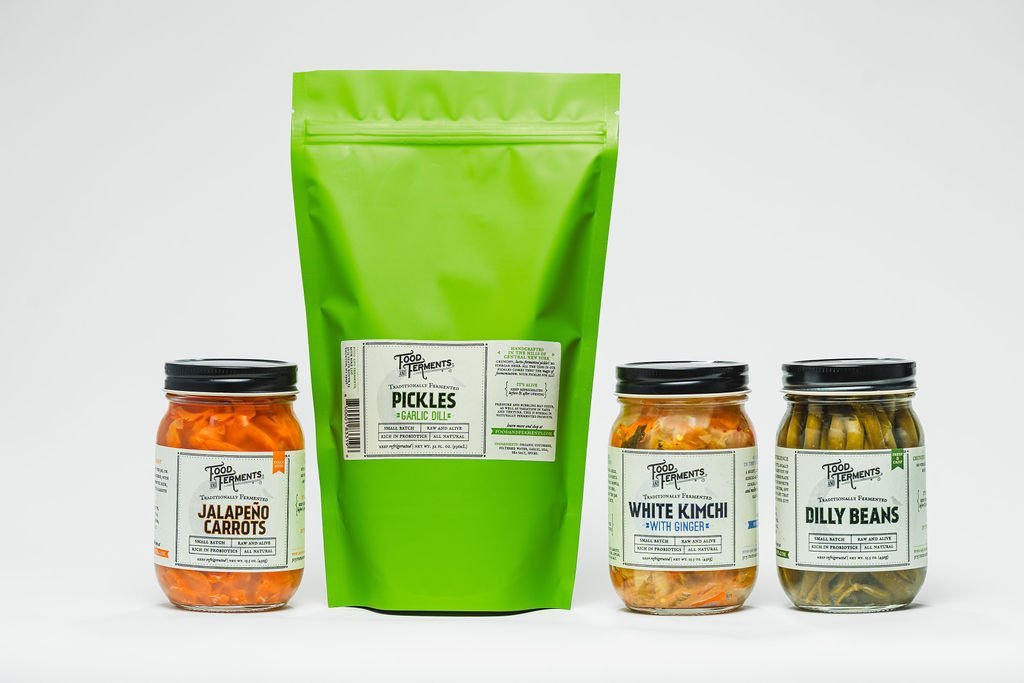
Fermentation might sound like a trend—but it’s actually one of the oldest and most important ways humans have prepared food.
Before refrigeration, fermentation was how food was preserved, made more nutritious, and easier to digest.
Today, it’s making a comeback—for good reason.
What Is Fermentation?
Fermentation is a natural process where beneficial bacteria break down sugars in food.
This process:
Preserves food
Creates beneficial probiotics
Enhances flavor
Improves digestibility
In simple terms:
Fermentation transforms raw ingredients into living, functional food.
Why Fermented Foods Matter Today
Modern diets often lack the diversity of bacteria our bodies need.
Fermented foods help restore that balance.
Key Benefits of Fermented Foods
1. Support Gut Health
Fermented foods contain live bacteria that help balance your microbiome.
2. Improve Digestion
They help break down food, making nutrients easier to absorb.
3. Strengthen the Immune System
A large portion of your immune system lives in your gut.
4. Increase Nutrient Availability
Fermentation can make vitamins and minerals more bioavailable.
Common Types of Fermented Foods
Sauerkraut
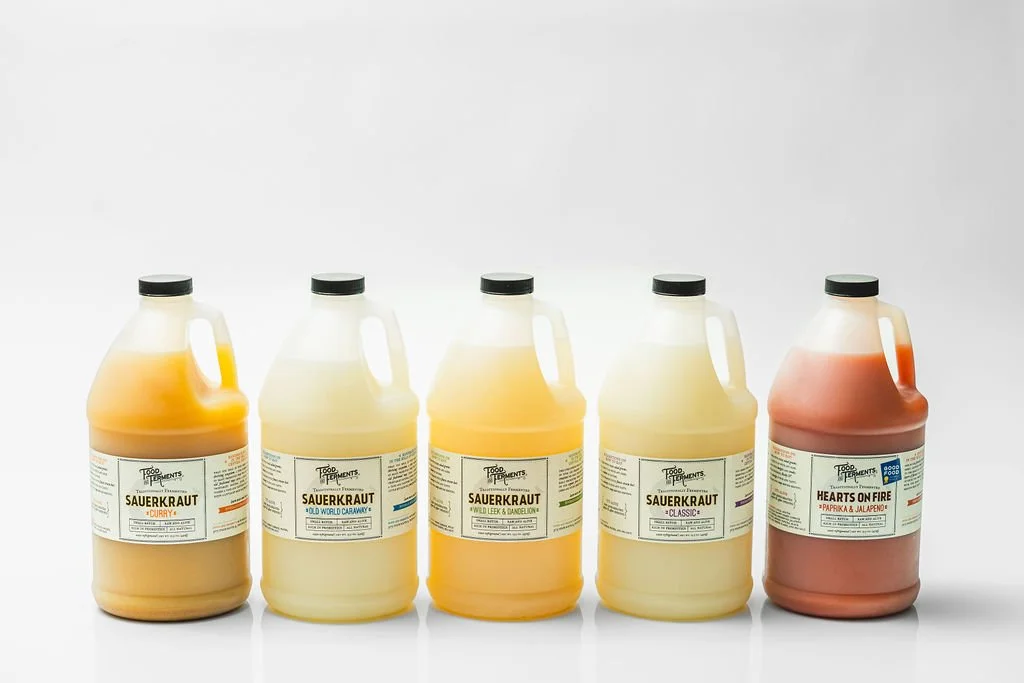
Made from cabbage and salt, naturally fermented over time. Rich in probiotics and one of the simplest ways to start eating fermented foods.
Beet Kvass
A traditional fermented drink made from beets. Earthy, tangy, and packed with beneficial bacteria.
Fire Cider (Fireside Tonic)
Not fermented, but often grouped with fermented foods. Made with apple cider vinegar and herbs to support immunity and digestion.
Fermented vs. Pickled: What’s the Difference?
This is where many people get confused.
Fermented foods:
Use salt and natural bacteria
Contain live probiotics
Are found in the refrigerated section
Pickled foods:
Use vinegar
Do not contain live cultures
Are often shelf-stable
Both have their place—but only fermented foods provide probiotic benefits.
How to Start Eating Fermented Foods
You don’t need to overhaul your diet.
Start simple:
Add a forkful of sauerkraut to meals
Take a daily shot of beet kvass
Rotate different fermented foods
Consistency matters more than quantity.
Why Not All Fermented Foods Are Equal
Many store-bought products are:
Pasteurized (kills beneficial bacteria)
Made for shelf stability, not function
Look for:
“Raw” or “live cultured”
Refrigerated products
Simple ingredients
Fermentation as a Return to Real Food
Fermentation isn’t just about health—it’s about reconnecting with how food was traditionally made.
It’s slower.
It’s simpler.
And it works with nature, not against it.
Bringing Fermentation Back
At Food & Ferments, we make small-batch, traditionally fermented foods using real ingredients and time-honored methods.
From live cultured sauerkraut to beet kvass and fireside tonics, everything we make is rooted in the belief that food should do more.
👉 Explore our fermented foods and start building your daily ritual.